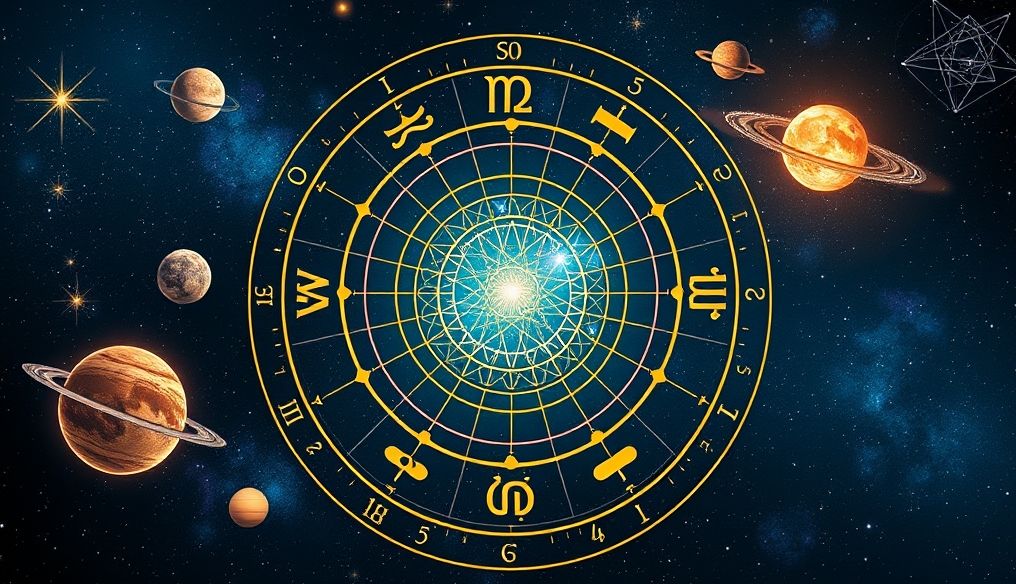
The Foundations of Fate: Unearthing the Secrets of Hellenistic Astrology
Step back in time to the vibrant intellectual landscape of the ancient Mediterranean, and you’ll find the genesis of much of what we understand as Western astrology today. Hellenistic Astrology, flourishing roughly from the 3rd century BCE to the 7th century CE, represents a crucial period of synthesis and systematization. It was during this era that disparate astrological traditions—drawing from Babylonian astronomical observation, Egyptian esoteric knowledge, and Greek philosophical inquiry—were woven together into a coherent and sophisticated system for understanding human destiny and the cosmos. This ancient practice isn't merely a historical curiosity; it is the bedrock upon which modern natal chart interpretation is built, offering a depth and nuance that continues to fascinate and inform. Why does it matter? Because understanding Hellenistic Astrology allows us to connect with the original intentions and potent methodologies that shaped astrological thought for millennia. This article will explore the key techniques, influential figures, and enduring legacy of this foundational astrological system.
The Birth of a System: How Astrology Evolved in the Hellenistic Period
The Hellenistic period, following the conquests of Alexander the Great, was a time of immense cultural exchange and intellectual ferment. Astrology, as we recognize it, was not born in a vacuum. It emerged from a rich tapestry of pre-existing traditions. The Babylonians, with their meticulous astronomical records and omen-based astrology, provided the celestial framework and early predictive methods. The Egyptians contributed their sophisticated understanding of the decans—thirty-degree divisions of the zodiac—and their rich symbolic language, which influenced the interpretation of astrological factors. Crucially, Greek philosophers like Plato and Aristotle introduced concepts such as causality, the nature of the soul, and the interconnectedness of the cosmos and humanity. This fusion allowed for a more philosophical and psychological approach to astrology, moving beyond mere prediction to an exploration of character, temperament, and life purpose. The Hellenistic astrologers took the observational data and symbolic associations and integrated them with Greek philosophical principles, creating a comprehensive system capable of delineating not just events, but the very fabric of an individual's being and potential.
Key Pillars of the Hellenistic Natal Chart
The Hellenistic approach to the natal chart laid much of the groundwork for how we interpret birth charts today. While many techniques have evolved, the core components established during this period remain central.
The Ascendant and the Twelve Places (Oikoi/Houses)
A cornerstone of any astrological reading is the Ascendant, the zodiac sign rising on the eastern horizon at the moment of birth. In Hellenistic astrology, the Ascendant was paramount, often considered the 'Lord of the Nativity' and a primary indicator of the native's constitution and life path. Complementing the Ascendant was the development and application of the twelve house system. While various house division systems exist today, the Hellenistic period largely favored the Whole Sign House system, where each zodiac sign occupied an entire house. This method was straightforward and provided a clear symbolic mapping of life's different domains, from self and possessions to siblings, home, and mortality. The houses represented distinct areas of life where the planetary energies and zodiacal placements would manifest.
Planets, Luminaries, and Rulerships
Hellenistic astrology utilized the seven visible celestial bodies known at the time: the Sun, Moon, Mercury, Venus, Mars, Jupiter, and Saturn. These were understood as 'planets' (wanderers) and 'luminaries' (Sun and Moon) that influenced earthly affairs. Each planet was assigned specific qualities, dignities, and associations, often linked to the concept of temperament (related to the humoral theory: sanguine, choleric, melancholic, phlegmatic) and destiny. The concept of planetary rulership – where planets preside over specific signs and houses – was already firmly established, forming the basis for understanding how different energies would interact within the chart. The placement and condition of these planets within the houses and signs were meticulously analyzed to understand the individual's innate capacities and challenges.
The Importance of Lots (or 'Parts')
A unique and highly significant feature of Hellenistic astrology is the extensive use of Lots (or 'Parts'). These are calculated points in the chart derived from the positions of the Sun, Moon, and Ascendant, designed to highlight specific areas of life or fortune. The most famous and universally applied Lot is the Lot of Fortune (Pars Fortunae). This point was believed to indicate one's material well-being, luck, and worldly success. Its ruler was considered crucial in understanding how fortune would manifest. Other Lots, such as the Lot of Spirit (often associated with the soul or inner disposition), were also employed, adding layers of symbolic meaning and predictive insight to the chart.
The Titans of Hellenistic Astrology: Key Figures
While the practice of astrology spanned centuries and numerous practitioners, a few names stand out for their monumental contributions to its systematization and preservation. Claudius Ptolemy, writing in the 2nd century CE, is perhaps the most influential figure. His monumental work, the Tetrabiblos, served as a comprehensive textbook that codified and rationalized much of the existing astrological knowledge. Ptolemy aimed to present astrology as a rigorous science, drawing parallels between celestial influences and earthly phenomena, and his work became the definitive reference for generations. Other astrologers like Antiochus of Athens, Valens, and Firmicus Maternus were instrumental in developing and disseminating specific predictive techniques and offering detailed case studies, showcasing the practical application of Hellenistic astrological principles in delineating life events and character.
Techniques for Prediction: Timelords and Fate
Hellenistic astrology was not just about describing potential; it was deeply concerned with timing and prediction. Astrologers developed sophisticated techniques to understand the unfolding of life events. One prominent predictive method was Profections. This technique involves advancing the Ascendant and planets by one year of life for each house (or sign) they occupy. For example, at age 1, the Ascendant would be 'profected' to the next house; at age 2, to the house after that, and so on. The ruler of the profected house and any planets within it would become particularly activated for that year. Another powerful technique, Zodiacal Releasing, used the Lot of Fortune or the Lot of Spirit as a starting point and then 'released' its significations through the zodiac, sign by sign, to pinpoint periods of significant life events, gains, or losses. These techniques, among others, demonstrate the dynamic and predictive power inherent in the Hellenistic system.
The Enduring Legacy of Hellenistic Astrology
From its synthesis of ancient wisdom to its sophisticated techniques for understanding destiny, Hellenistic Astrology represents a profound and enduring system. It gifted us the fundamental structure of the natal chart, including the Ascendant and the twelve houses, and introduced powerful predictive tools like Profections and the Lots. The influence of figures like Ptolemy cannot be overstated; their work shaped astrological thought for over a millennium. By revisiting these ancient roots, we gain a deeper appreciation for the complexity, depth, and philosophical underpinnings of astrology. It reminds us that the stars have long been seen not just as distant lights, but as a meaningful celestial language guiding us toward self-understanding and a more conscious engagement with our life's journey.
Ready to explore your own chart with the wisdom of these ancient techniques? Consider delving deeper into your personal astrological blueprint!